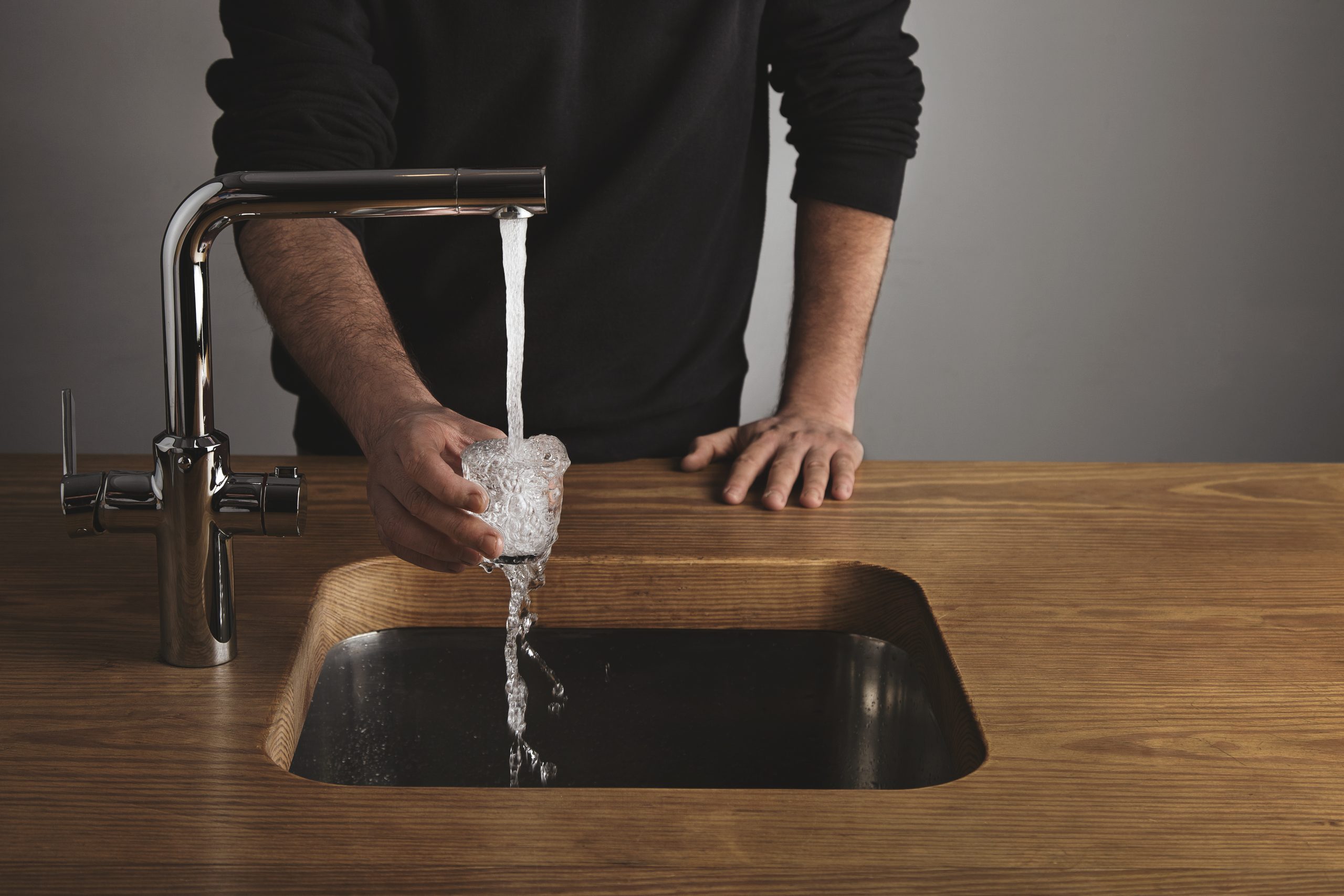


Hydration is non-negotiable for human health. Adequate water intake directly powers your body’s essential functions, boosting energy, sharpening cognitive function, and regulating temperature. It’s crucial for detoxification and maintaining joint health. More importantly, proper hydration is your defence against fatigue, chronic headaches, poor concentration, premature ageing, and the dangers of heat-related illness.
Despite these critical roles, hydration myths persist, hindering many from effective hydration. Understanding the true science of hydration, rather than falling prey to common misconceptions, is critical to unlocking your body’s full potential.
The ubiquitous “8 glasses a day” rule has permeated popular health advice for decades. While the idea of consuming 2 litres of water daily offers a simple, easy-to-remember goal, it’s more of a suggestion than a rule.
This is because what’s reasonable for one individual might be insufficient or excessive for another. For some individuals, the number of glasses required to consume will depend on the following factors:
The Health Promotion Board of Singapore recommends approximately 2 litres of fluid per day. It’s crucial to remember that this serves as a baseline only, and your individual needs can, and likely will, increase based on the factors outlined above.
Many people believe that thirst is the definitive signal to drink water. However, this is one of the most pervasive myths about hydration. Thirst is, in fact, a delayed signal, indicating that your body is already in a state of mild dehydration. Waiting until you feel thirsty means you’re already behind on your fluid intake. This is particularly risky for older adults, whose sense of thirst can diminish with age, making them more vulnerable to dehydration.
Instead of relying solely on thirst, better indicators of adequate hydration include the frequency of urination and the colour of your urine. Light yellow or straw-coloured urine typically indicates good hydration. A smart tip for consistent hydration is to sip fluids regularly throughout the day, rather than consuming large amounts only when parched.
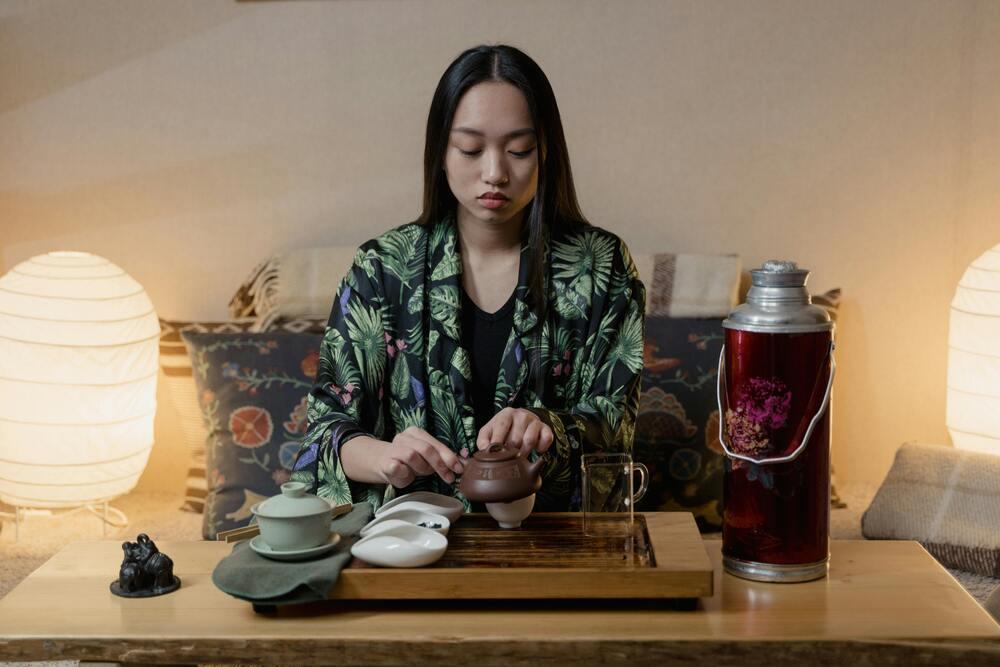
For years, the widespread belief has been that coffee and tea actively dehydrate you due to their diuretic effects. While caffeine does have a mild diuretic property, meaning it can increase urine output, the water content of these beverages largely counteracts this effect. These beverages can even help you meet your daily fluid intake target. So, enjoy your morning brew or afternoon tea without the worry of compromising your hydration levels.
Another common misconception is that sports drinks are inherently superior to water for hydration. While sports drinks certainly have their place, they are not universally better than water. Their primary benefit lies in providing electrolytes (like sodium and potassium) and carbohydrates, which are crucial during periods of heavy sweating, such as prolonged or intense workouts lasting more than an hour.
For moderate or light physical activity, or for general daily hydration, plain water is entirely sufficient. If you do engage in strenuous exercise and feel the need to replenish electrolytes, better options include low-sugar electrolyte drinks or simply consuming salty snacks alongside your water intake.
While hydration is vital, in very rare cases, it is possible to overdo it, leading to overhydration or hyponatremia—a condition in which your blood’s sodium levels become abnormally low due to excessive water intake, thereby diluting essential electrolytes.
This particular water drinking myth can have adverse effects, ranging from nausea, confusion, and headaches to, in severe cases, seizures. A safer and more effective hydration strategy involves sipping consistently throughout the day, rather than guzzling large volumes (more than 1 litre per hour) at once. This allows your body to process the fluid efficiently and maintain a healthy electrolyte balance.
Contrary to popular belief, you don’t solely hydrate with liquids. Up to 20% of your daily hydration can actually come from the foods you eat. Many fruits and vegetables are incredibly water-rich and contribute significantly to your overall fluid intake.
Excellent hydrating foods include watermelon, cucumbers, tomatoes, strawberries, and even dishes like soups and broths. Incorporating these water-rich foods into your daily meals is a deliciously simple way to boost your hydration levels and move beyond the myths of water drinking.

Adequate hydration is not a one-size-fits-all approach. It’s personal and dynamic, constantly adapting to your unique body, activity level, and environment. Listen to your body’s signals (beyond just thirst), consider your daily activities, and make informed choices to support your well-being.
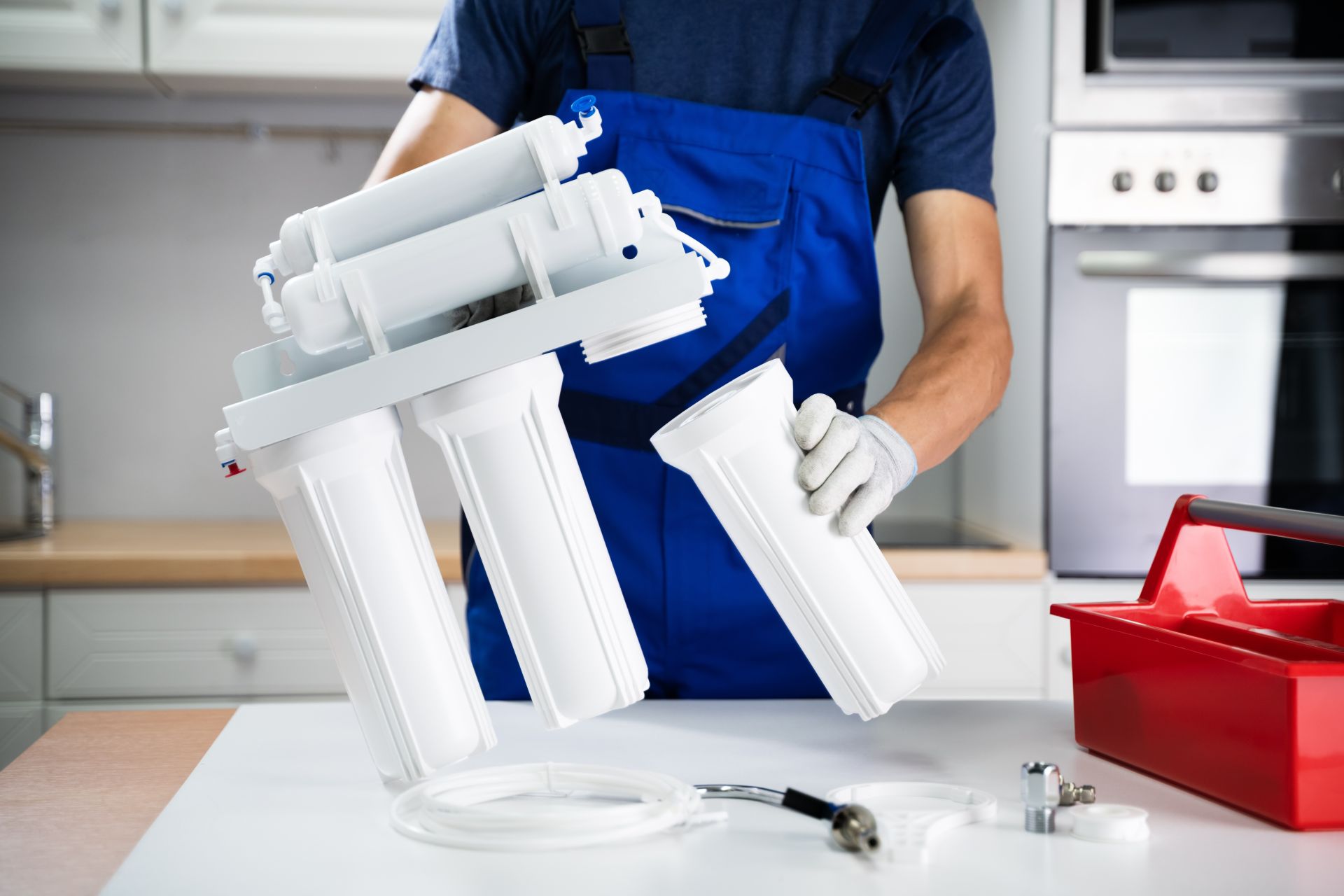
To make consistent and smart hydration an effortless part of your day-to-day routine, invest in a reliable water dispenser with advanced features. A high-quality water purifier in Singapore can transform your hydration habits.
For instance, the Purehan Super Cooling water purifier offers unparalleled convenience and refreshment. With multiple temperature settings and five output modes, it ensures you always have the perfect glass of water tailored to your preference. Its quantitative discharge setting further enhances convenience and reduces water waste, allowing you to dispense the exact amount you need with a single touch.
Make smart hydration simple and enjoyable with a cutting-edge cooling water purifier from Purehan today.