Like any other household appliance, water purifiers can sometimes encounter issues. From a slow drip to a complete shutdown, these problems can be frustrating, especially when you rely on your unit daily.
The good news is that many of these common problems are relatively easy to identify and resolve. However, before you can apply the right solution, it’s essential to understand the root cause. Knowing why you’re having issues will help you troubleshoot properly and potentially maintain its performance in the long run.
1. Low Water Flow
One of the most common and annoying water purifier problems is experiencing significantly reduced water flow. When this happens, you’ll notice that filling a glass or a jug takes an unusually long time or the water dispenses as a mere trickle rather than a steady stream.
Potential Reasons for Low Water Flow
The primary culprit for low water flow is almost always clogged filters, particularly the sediment and carbon filters. These filters are designed to trap particles, rust, chlorine, and organic matter over time. As they accumulate more impurities, their pores become blocked, restricting water passage.
How to Address Them
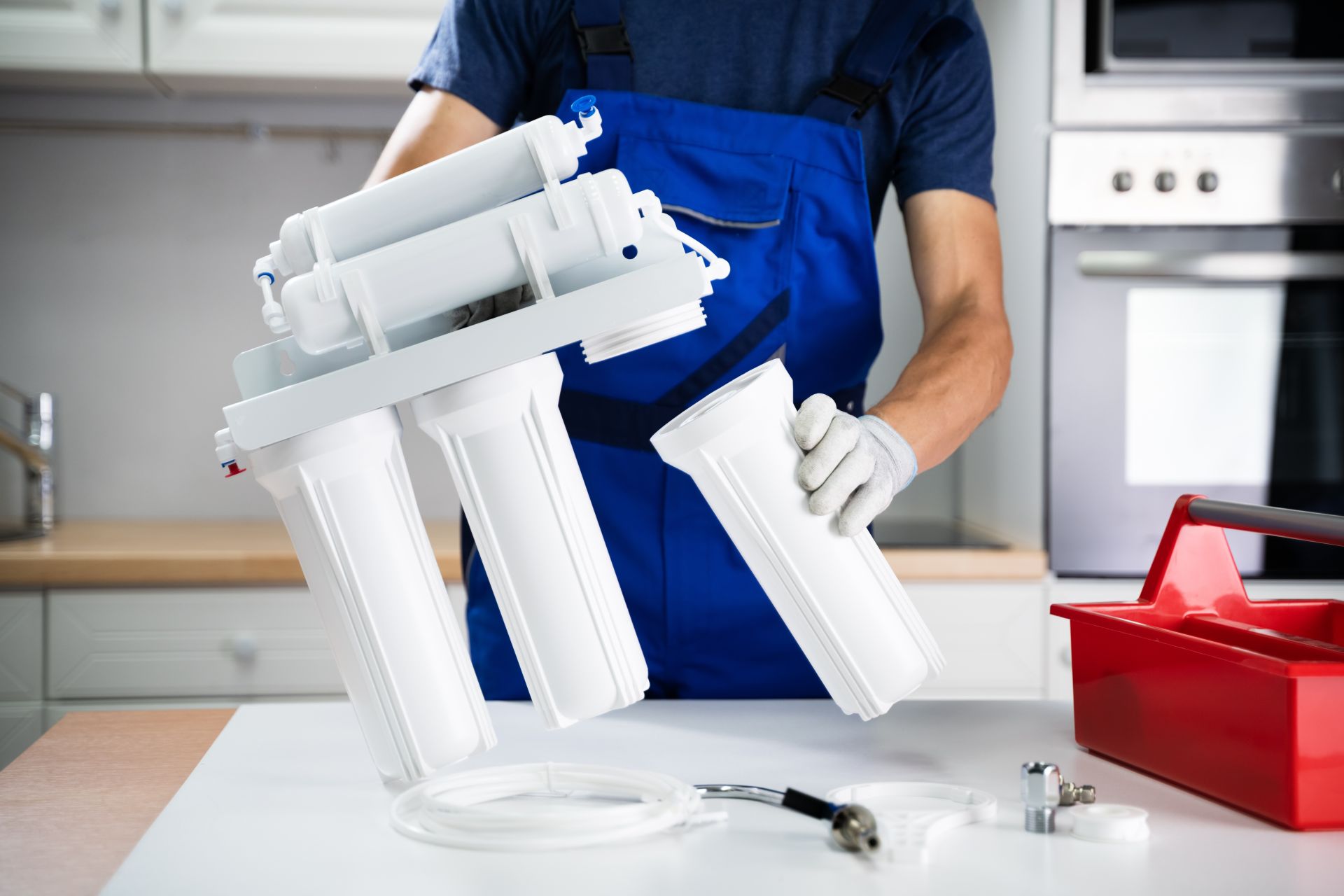
Replace filters according to schedule: Follow the manufacturer’s recommended filter replacement timeline. Timely replacements are essential to maintain water quality and ensure optimal flow rates.
Check for blockages or pre-filter maintenance: Sometimes, the initial pre-filters, such as the sediment filter, can become severely clogged very quickly if your incoming water supply contains a high level of particulate matter. Check these filters; if they appear visibly dirty or discoloured, they need immediate replacement. Also, examine the water supply line for any kinks or obstructions that could restrict water flow to the purifier.
2. Water Leakage
If you notice water dripping from the tap, around the filter housings, the main body of the purifier, or the connections at the back, it could indicate a leak in your system. Left unchecked, this can lead to water damage on nearby surfaces, such as cabinets or flooring.
Potential Reasons Why There Are Leaks in Your Water Purifier
Loose connections: Hoses and fittings may loosen over time due to vibrations or improper installation.
Worn O-rings: These rubber gaskets form a seal around filter housings and fittings. With age, they can dry out, crack, or become misaligned.
Cracked housing or components: Although less common, parts may crack due to impact or manufacturing defects, resulting in persistent leaks.
How to Address Water Leaks
Tighten all connections: Inspect all visible fittings and hoses. Use a wrench to gently tighten any loose parts, being careful not to overtighten, as this can cause further issues.
Replace worn O-rings: When changing filters, always check the condition of the O-rings. If they appear brittle, cracked, or flattened, replace them. Most filter kits include new O-rings, so ensure they are properly seated and lightly lubricated.
Call a technician for internal issues: If tightening the O-ring or replacing it doesn’t resolve the issue, or if the leak seems to originate from a valve or internal part, contact a professional. DIY fixes for internal leaks can be risky, may void your warranty, or worsen the problem.
3. Strange Taste or Odour
If your purified water smells musty or has a metallic, plastic, or generally unpleasant taste, this could be an indicator of internal issues.
Potential Reasons Why the Water Dispensed Has a Strange Odour
Biofilm buildup on filters or internal parts: Over time, bacteria and other microorganisms can form a slimy layer (biofilm) on filter surfaces or inside the water storage tank and tubing, especially if the purifier isn’t used regularly or properly maintained.
Expired or saturated filters: Carbon filters are designed to remove chlorine and organic compounds that affect taste and odour. Once they’re saturated, they can no longer perform this function and sometimes even release trapped contaminants back into the water.
New system “plastic” taste: A brand-new purifier may initially have a slight plastic taste due to its new components. This should dissipate after flushing a few tanks of water.
How to Address These Issues
Clean or replace filters: Start by replacing your carbon filter and, if applicable, your post-carbon filter. These are crucial for taste and odour removal.
Sanitise the purifier unit: For biofilm buildup, a thorough sanitisation of the entire system, including the tank and tubing, is necessary. Some purifiers come with a self-sanitising feature designed to maintain optimal hygiene. If you’re unsure, it’s always best to contact the manufacturer to arrange for a technician’s support..
Flush new systems: If your system is new, run several full tanks of water through it and discard them. This will help flush out any manufacturing residues.
Proactive Water Purifier Maintenance Tips
Adopting a proactive maintenance routine can significantly extend the lifespan of your unit and ensure you consistently have access to refreshing drinking water.
Check for leaks regularly: Inspect your water purifier and the surrounding area at least once a month for signs of moisture, drips, or puddles. Early detection of leaks, no matter how small, can prevent costly water damage and reduce the risk of more serious mechanical issues.
Examine and replace filters as per the manufacturer’s guidelines: Filter replacement is the most important aspect of water purifier maintenance. Each filter type, whether sediment, carbon, or mineral, has a recommended replacement interval. Follow the manufacturer’s guidelines closely by marking the dates on your calendar or setting digital reminders. Remember, delayed replacement can lead to low water flow, unpleasant taste or odour, and reduced purification performance. Therefore, it’s important to adhere to it regularly.
Tighten loose connections: Over time, vibrations or routine use may loosen hose fittings and connectors. Periodically check all visible connections and gently tighten them with a wrench if needed. Be careful not to overtighten, which could damage threads or seals. This simple step helps prevent leaks and ensures proper water pressure.
Monitor water flow: A noticeable decline in flow rate often signals that filters are becoming clogged. Don’t wait until the flow slows to a trickle. Address the issue early to maintain purification efficiency and avoid strain on the system.
Consider Making a Switch for Minimal Maintenance
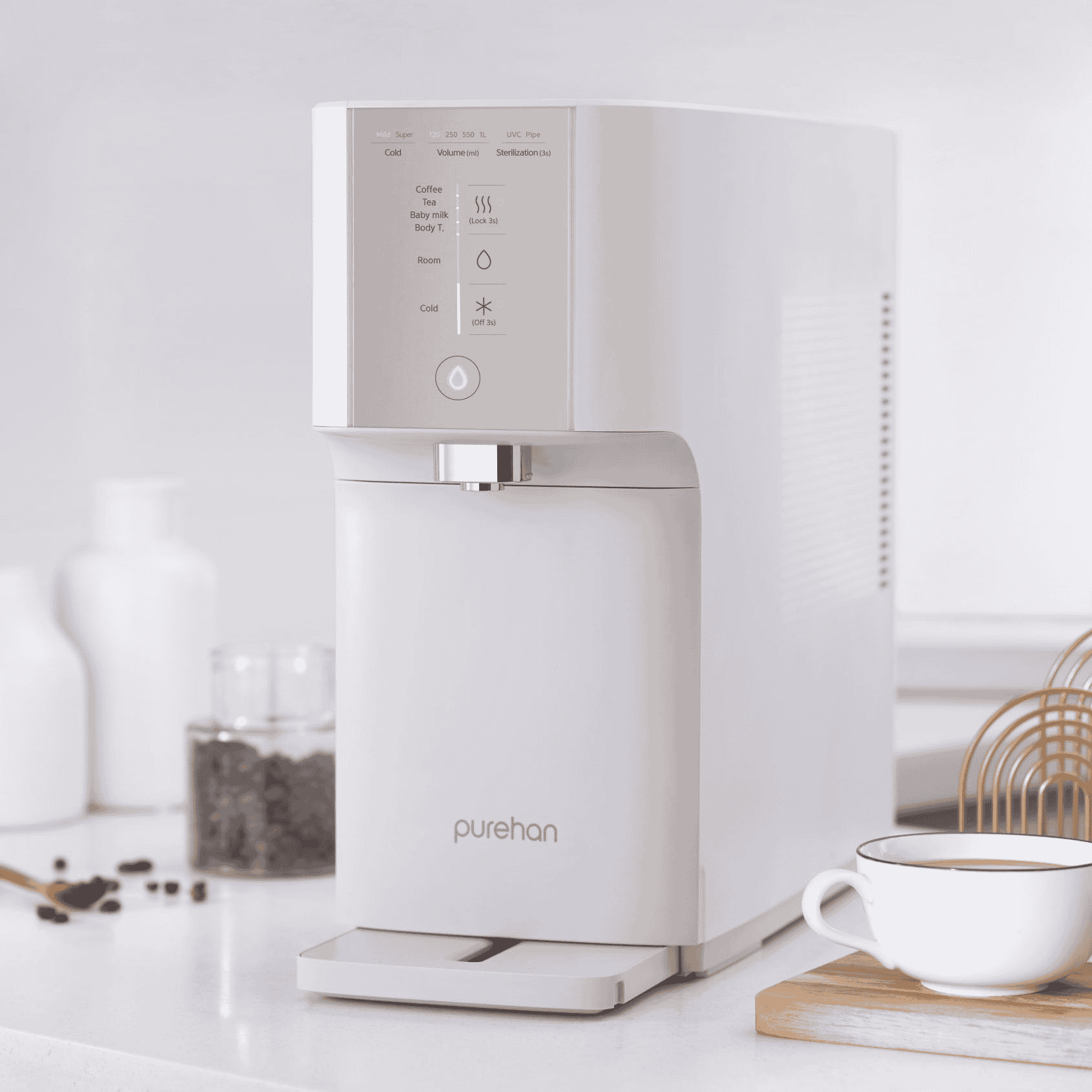
If you’re ready to upgrade to a more modern, low-maintenance solution, the Purehan Super Cooling: Water Dispenser & Alkaline Water Purifier is a smart choice. Designed with compact elegance, this cooling water purifier seamlessly integrates into any kitchen or home environment, taking up minimal space. Beyond its sleek design, this purifier offers powerful multi-stage filtration and up to eight temperature settings, allowing you to enjoy water just the way you like it—whether it’s ice-cold, room temperature, or piping hot for your coffee or tea.
What truly sets it apart is its auto-sterilisation system, which simplifies maintenance. Equipped with advanced electrolysis sterilisation, this water purifier automatically cleans its internal water pipes and faucet, eliminating the need for manual scrubbing or chemical cleaning. Its self-cleaning feature helps maintain optimal hygiene and performance, giving you peace of mind while saving time and effort.
If you’re looking for a water purifier that’s high-performing, hygienic, and hassle-free, switching to the Purehan Super Cooling unit could be the upgrade your home needs.