

Have you ever noticed a chalky, white buildup inside your kettle or faint white spots on your glass shower screen? That residue is a common sign of limescale, a direct result of water hardness.
Tap water in Singapore is classified as moderately soft. But what does this classification actually mean for your home appliances, skin, and daily well-being? To understand the real impact on your health and home, it’s necessary to explore what hardness of water means.
Water hardness is classified based on its mineral concentration, which is measured in milligrams per litre (mg/L). The categories are as follows:
Hard water, which falls into the higher ranges of this scale, is rich in dissolved natural compounds like calcium and magnesium. It absorbs these naturally as it flows through the earth and over rock formations like limestone.
Soft water, in contrast, has a low mineral load. It can be naturally occurring, such as rainwater, or the product of treating hard water.
The effects of hard water extend far beyond the sink, impacting everything from your personal care routines to the lifespan of your kitchen and laundry equipment.
For most people, the minerals in hard water are harmless. However, some individuals with sensitive digestive systems may experience temporary discomfort, including bloating, constipation, or an upset stomach, when they drink water with a much higher mineral level than they are used to.
The calcium and magnesium content in hard water react with soaps and shampoos, forming a residue often referred to as soap scum. This film can be difficult to rinse away thoroughly, potentially leaving skin feeling dry and hair looking dull or brittle. Over time, it can contribute to clogged pores and scalp irritation for some people.
The most tangible and costly effects of hard water are seen around the home.
High mineral levels cause the formation of limescale that builds up on the internal heating components of water heaters. These mineral deposits create an insulating layer, forcing your equipment to work harder and consume more energy to heat water. Consequently, this inefficiency drives utility bills higher.
The constant strain from mineral deposits can also reduce the lifespan of your valuable appliances, forcing more frequent repairs or premature replacements. Over time, limescale-forming deposits can clog plumbing and cause reduced water pressure, resulting in unsightly stains on sinks, tubs, and dishes.
The impact of hard water varies widely, depending on the water’s specific quality, unique conditions in your home, and your personal health and sensitivity.
How your body interacts with the dissolved solids is a key factor that influences the overall health effects of hard water. On one hand, the same calcium and magnesium that cause issues in your home are essential nutrients that your body can absorb, which can be a positive health influence. On the other hand, some individuals with sensitive digestive systems may experience temporary discomfort as their body adjusts to a higher mineral concentration.
The baseline quality of your water supply is a critical factor that determines the severity of hard water’s effects. In Singapore, water is treated to exceptionally high safety standards to provide a consistent supply of safe drinking water. This means the mineral content that causes hardness is already carefully managed and kept at a moderately soft level. While slight variations can still occur depending on the water’s source, this high baseline quality helps mitigate the more severe effects.
Each person’s body reacts differently. For individuals with pre-existing skin conditions, such as eczema, the drying effects of hard water can be more pronounced, potentially leading to increased irritation or flare-ups.
According to the Public Utilities Board (PUB), the tap water in Singapore is officially classified as moderately soft. This means that while the water does contain some beneficial minerals, its concentration is low enough to prevent the severe limescale issues common in regions with hard water. The mineral level typically falls within a range that is considered safe and perfectly manageable for all household uses, from drinking to laundry.
The consistent quality of water in Singapore comes directly from its advanced and highly controlled treatment systems. A key part of this process involves managing the final mineral balance to produce a uniform standard, protecting both public health and home infrastructure. Consequently, the water supplied across the island remains within a safe and consistent range of hardness, regardless of its source.
This advanced system draws from the country’s Four National Taps:
A few common concerns typically lead homeowners to explore filtration options.
The tap water in Singapore is safe for drinking. For many households, however, the variables in the delivery system, from the taste of chlorine to potential sediment from old pipes, create a gap between what is considered safe and what feels ideal.
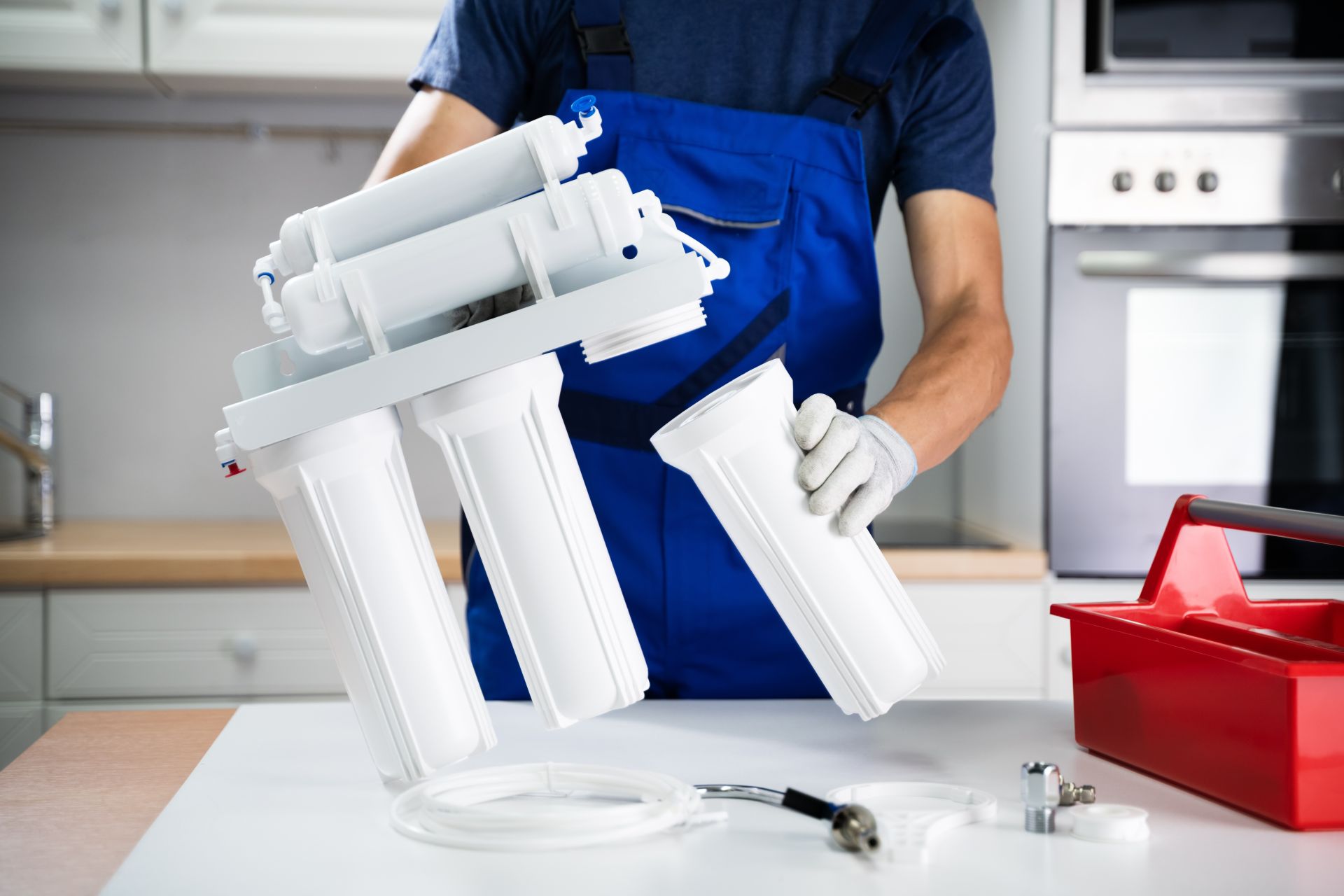
A water filtration system is the most effective way to close that gap and enhance your daily hydration. For those ready to make that upgrade to a water filter dispenser, Purehan provides the ideal solution.
The advanced nanofiltration system of every Purehan cooling water dispenser is designed for thorough and effective purification. It reduces the mineral content that causes hardness, softening the water’s feel. At the same time, it filters out residual chlorine and other contaminants, creating a cleaner, more pleasant taste.
Ready to know more about the benefits of water filtration for your home? Check out our guide to home water purifiers.