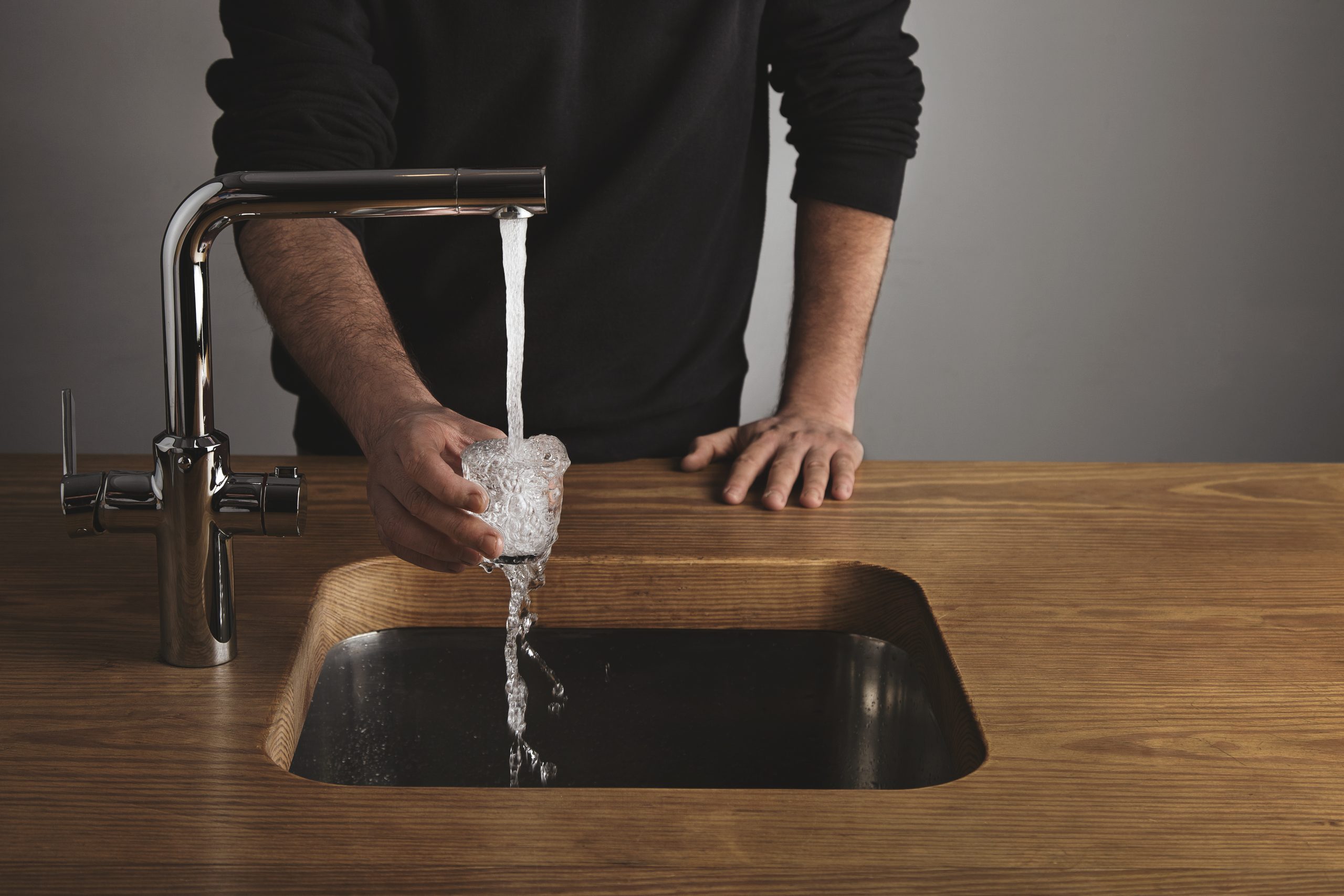


Water is an essential part of our daily lives, supporting optimal body function. However, there are times when we might not drink or consume enough—whether due to a hectic schedule, a lack of thirst, or the effects of certain medications. When this happens, the risk of dehydration increases, potentially impacting overall health and well-being.
Drinking enough water is critical for controlling your body temperature and ridding it of waste. When this is neglected, dehydration occurs, which leads your body to lose more water than it takes in. This then disrupts the balance needed for these normal functions.
Often, the simple reason why you are feeling dehydrated could be because you don’t drink enough water, whether because you’re sick or busy.
However, other causes of dehydration may include:
For healthy individuals, the average daily water intake should be approximately 15.5 cups for men and 11.5 cups for women. This includes water from all sources, whether food or beverage. Depending on these other fluid sources, you may only need about four to six cups of plain water each day.
Several factors can increase your need for plain water:
Dehydration manifests in various ways, ranging from mild to severe. This is what may happen if you don’t drink enough water:
One of the basic ways you know how low you are on water is by feeling thirsty. If you’re feeling parched, this means you’re already mildly dehydrated, which could lead to other symptoms, like headaches. Therefore, as much as possible, it’s recommended that you drink water before you get thirsty.
When you’re experiencing dry mouth, this means your body does not have enough fluids to produce the saliva you need, signalling dehydration.
Dark urine refers to urine that is brown, dark amber, or dark yellow. When this occurs, this may indicate dehydration.
Oliguria is the medical term used for decreased urine output. This happens when your kidney is not producing enough urine, which could be caused by the lack of fluids in your body.
Dehydration can also manifest in your skin and comes in the form of skin itchiness, dullness, darker under-eye circles, sunken eyes, and increased appearance of fine lines and wrinkles.
With less water in your body, this could lead to the amount of blood declining, causing your blood pressure to also drop. Therefore, when you’re experiencing dehydration, this may also lead to low blood pressure.
Another sign of dehydration you should watch out for is a feeling of weakness in certain muscles or severe muscle cramps. This is particularly evident in older adults. Cramps are typically caused by electrolyte imbalance and reduced blood flow in the muscles due to insufficient fluids in the body.
Water is also essential for digestion. Without enough water intake, waste moves more slowly through your intestines, leading to constipation.
Fatigue is one of the earliest and most noticeable signs of dehydration. Studies have shown that even mild dehydration can significantly impact energy levels, leaving individuals feeling less alert and more tired throughout the day.
Headaches related to dehydration can range from mild to severe, where you may feel pain all over your head or in just one spot. You may experience throbbing headaches or a constant pain.
While mild dehydration can be managed by drinking fluids, severe dehydration requires medical intervention. Seek immediate help if you experience:
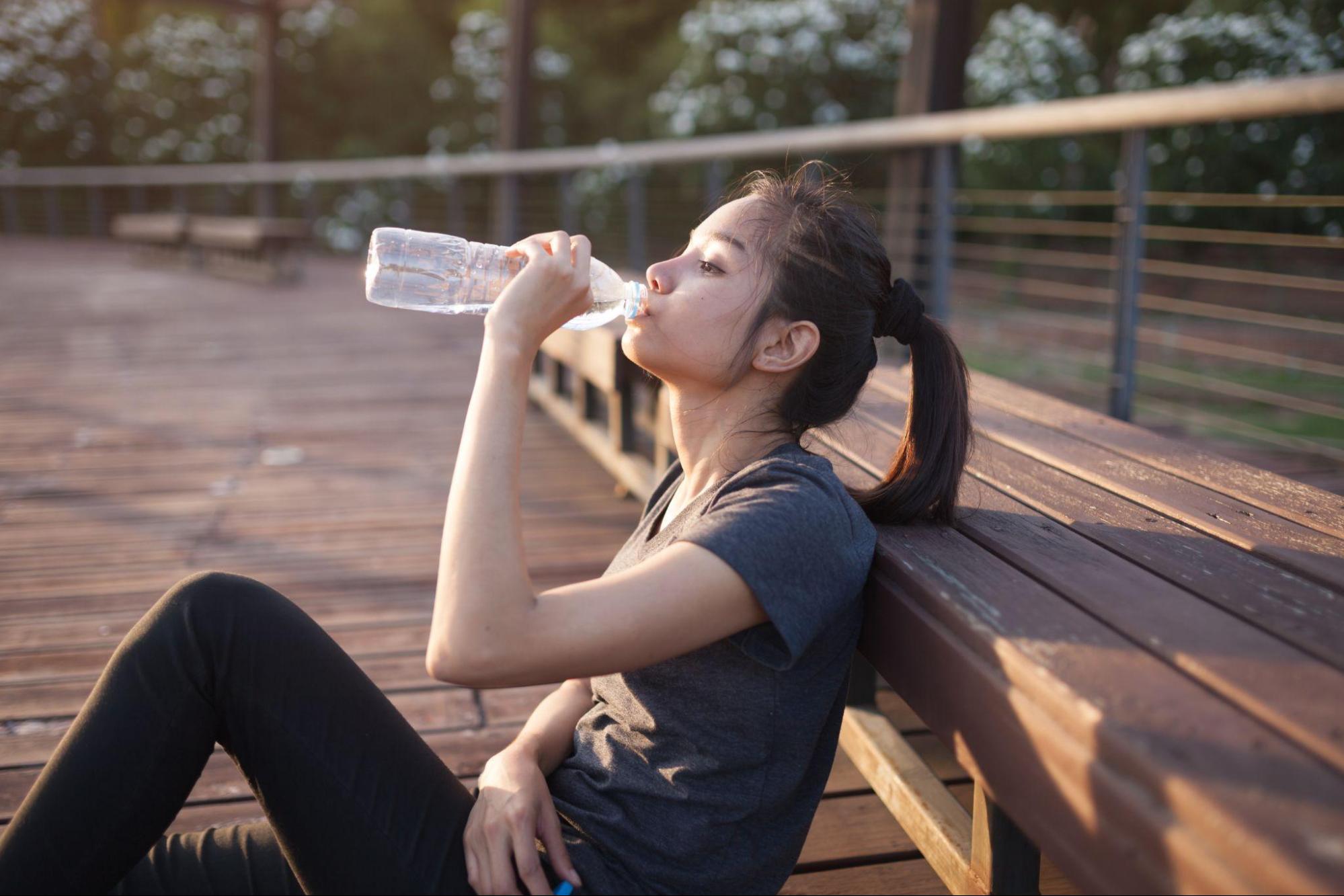
Staying properly hydrated doesn’t have to be complicated. Incorporating these habits into your everyday routine could help your body get the fluids it needs to function optimally.
Staying hydrated is essential for maintaining good health, and making water more appealing can encourage consistent consumption throughout the day. Especially in a humid climate like Singapore, a cooling water dispenser can be a game-changer by providing instantly chilled, refreshing water.
Additionally, a water dispenser, like Purehan Super Cooling, combines functionality with modern design, making it a great addition to any home. Our water dispenser comes with advanced filtration systems, ensuring that the water you drink is not only refreshing but also contaminant-free. It also comes with 8 temperatures and 5 output options, which could help enhance your hydration experience. Whether you’re staying hydrated while working, recovering from a workout, or simply combating the effects of Singapore’s tropical heat, a cooling water dispenser can be a practical investment.
For more insights into staying hydrated, check out our guide on the power of hydration for the body and how to combat heat stress.