

There are seven types of water that are safe for drinking, each with unique properties and origins. While Singapore’s tap water is a safe and reliable starting point, understanding the differences between these options can help you make an informed choice for your daily hydration. These include purified water, which has been processed to remove impurities; distilled water, created by boiling and collecting steam; mineral water, sourced from underground springs; alkaline water, with a higher pH level; flavoured water, infused with natural or artificial flavours; and sparkling water, which is carbonated. Knowing these distinctions can help you select a type of water that best suits your needs, whether you’re looking for purity, mineral content, or a change in taste.
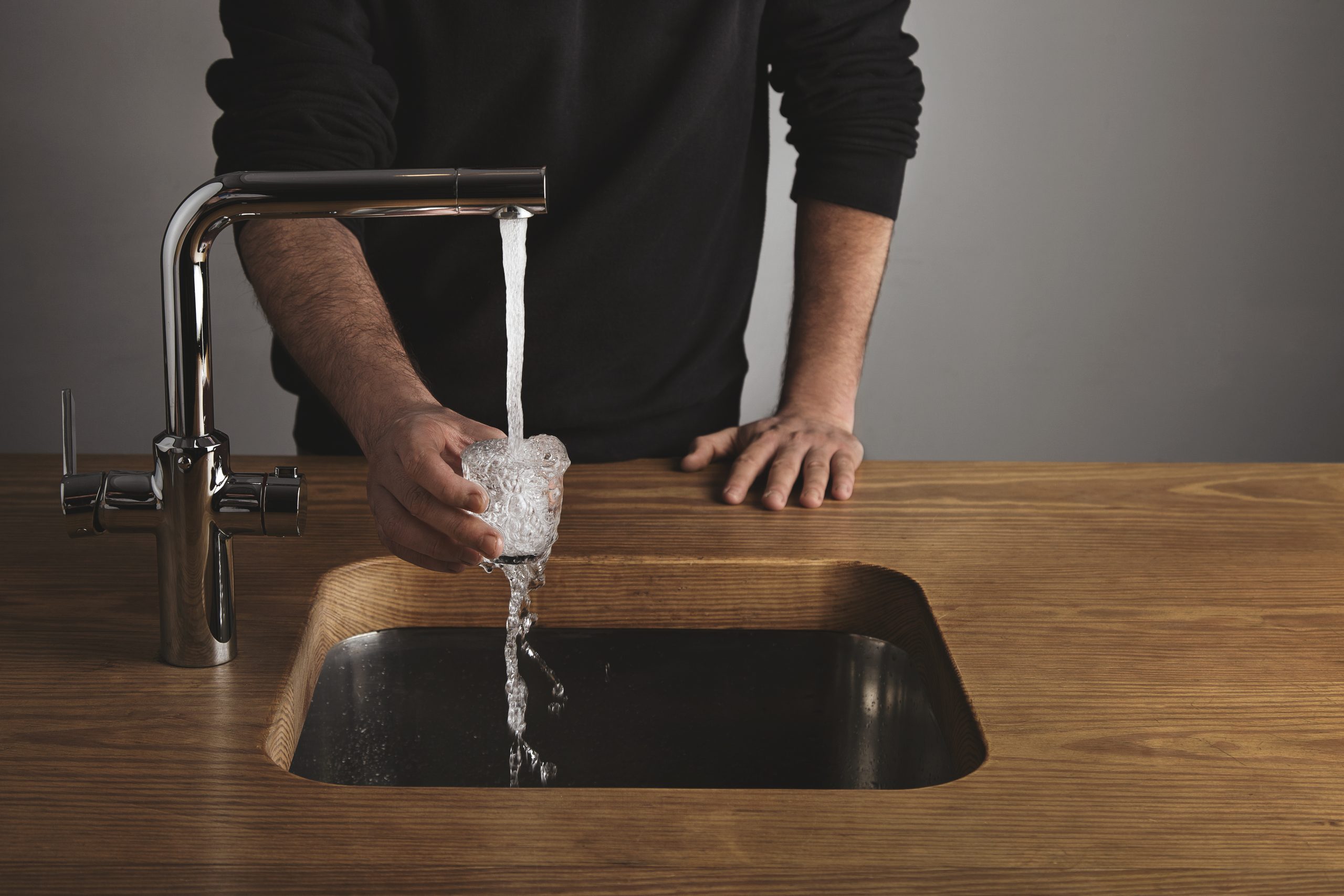
Tap water is the most accessible type of water for most households, delivered directly to your home through a municipal plumbing system. It is the water from your sink, shower, and other household fixtures, treated by local authorities to meet safety standards.
In Singapore, the Public Utilities Board (PUB) ensures that tap water is rigorously treated and safe to drink directly from the tap. This provides unparalleled convenience, offering a constant and reliable supply of water 24/7 at the simple turn of a faucet. It is also the most cost-effective option for daily hydration.
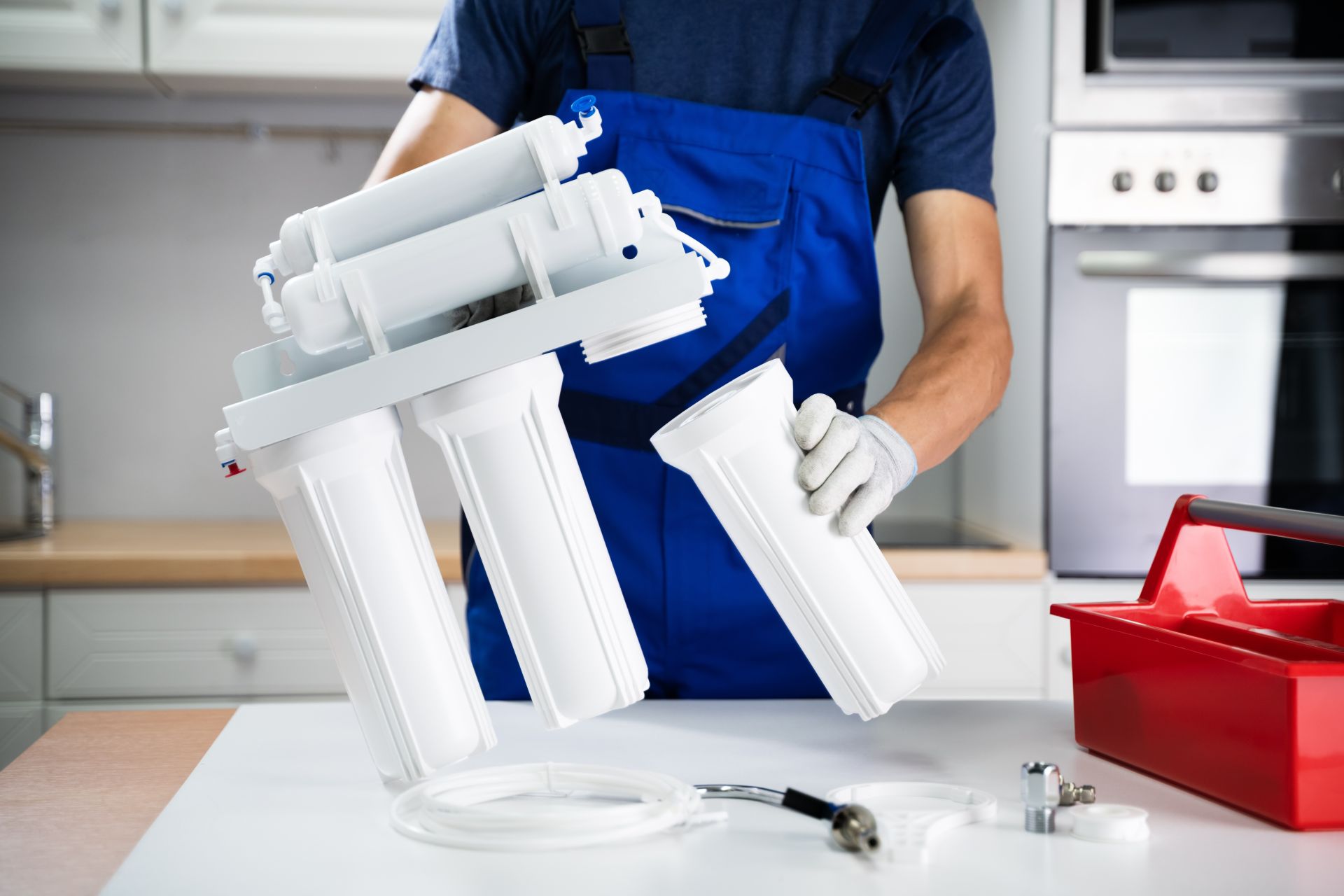
Purified water typically begins as tap water or groundwater, which is then subjected to a mechanical filtration process using a water dispenser with a purifier. This filtration process is designed to remove a wide range of impurities, including chemicals, harmful microorganisms, contaminants, and sediments, producing water of high purity. One water dispenser that also doubles as a water purifier is the Purehan Super Cooling Water Dispenser & Alkaline Water Purifier.
The primary advantage of purified water is its comprehensive removal of potentially harmful substances, including bacteria, pesticides, and heavy metals. This process yields water with a clean, neutral taste, making it a preferred choice for cooking, preparing baby formula, or mixing with other drinks where flavour purity is essential.
Distilled water is a type of water that undergoes a rigorous purification method called distillation. The process involves boiling a liquid into vapour and then condensing it back to a liquid state. This technique is highly effective at separating minerals, chemicals, and contaminants, resulting in a substance of exceptional purity.
The complete lack of minerals gives distilled water a flat, unappealing taste. More importantly, it contains no electrolytes, which are essential for hydration and bodily functions. For this reason, it is generally not recommended as a primary source of daily drinking water. Furthermore, relying on bottled drinking water is costly and environmentally taxing.
Sourced directly from natural underground springs and reservoirs, mineral water is characterised by its content of naturally occurring minerals and trace elements, such as calcium, magnesium, and sodium. It is bottled at the source and must meet strict standards regarding its composition.
For those seeking more than just hydration, mineral water provides a valuable source of beneficial minerals. Many people prefer its distinct taste profile, which can vary significantly between brands depending on the water source.
The benefits come at a price, as mineral water is considerably more expensive than tap water. The taste and mineral content vary across different brands, meaning you may not always get the same experience or benefits. The environmental footprint of bottling and transportation is also a significant consideration.
Alkaline water is defined by its elevated pH, usually above 8, which is higher than the neutral pH of 7 found in tap water. This alkalinity is either naturally occurring, as water absorbs minerals from rocks, or enhanced through electrolysis, the same technology used in the Purehan Super Cooling process to produce alkaline water on demand.
Alkaline water is thought by some to help neutralise acid in the body and may offer certain health benefits. It contains alkaline minerals and is less acidic than regular drinking water, which some find more palatable.
Although extensive scientific research on its broader health benefits is still evolving, many people choose alkaline water primarily for its positive taste and the encouragement of healthier habits. And while relying on bottled alkaline water can be costly, having a home system like the Purehan Super Cooling makes it an affordable and eco-friendly daily option.
This category covers any water that has been enhanced with natural or artificial sweeteners, flavourings, and sometimes added vitamins or minerals. It is designed to offer a more exciting alternative to plain water.
For individuals who find the taste of plain water unappealing, flavoured options can be an effective way to encourage better hydration habits. The wide variety of available flavours adds an element of choice and enjoyment to daily water intake.
It is crucial to read the labels carefully, as many flavoured waters contain hidden sugars, artificial sweeteners, and significant calories. Regular consumption of sugary versions can contribute to weight gain and may pose risks for individuals with conditions like diabetes, undermining the primary health benefit of drinking water.
Also known as carbonated or soda water, this type of water has been infused with carbon dioxide gas under pressure. This process creates the signature bubbles and fizziness, offering a refreshing drinking experience.
Sparkling water is an excellent calorie-free and sugar-free alternative to sodas and other sugary carbonated beverages. It provides a satisfying fizz without the associated health drawbacks. Many brands of sparkling water are also mineralised, offering a slight nutritional boost.
The carbonation process makes the water slightly more acidic, which some experts suggest could pose a long-term risk to tooth enamel with frequent consumption. It is also more expensive than both tap water and many types of still bottled water.
While many water options are available, the safest water option for drinking comes down to a personal balance of taste, cost, and your health goals.
a home water purifier provides the ultimate balance, elevating your tap water from good to exceptional. It addresses the common concerns of taste and potential contaminants while preserving the convenience and affordability of your home’s water supply.
A state-of-the-art water dispenser, such as the Purehan Mini and the Purehan Super Cooling, is meticulously designed to deliver this supply perfectly. It uses advanced filtration technology to remove chlorine and impurities, ensuring every glass is pure. Beyond just purification, it offers innovative features for the modern home, including instant hot and cold water, as well as a space-efficient design that’s ideal for condominium living.
If you want more information on which Purehan’s selection of water purifiers and office water coolers will most benefit you, read our guide to choosing a water purifier.