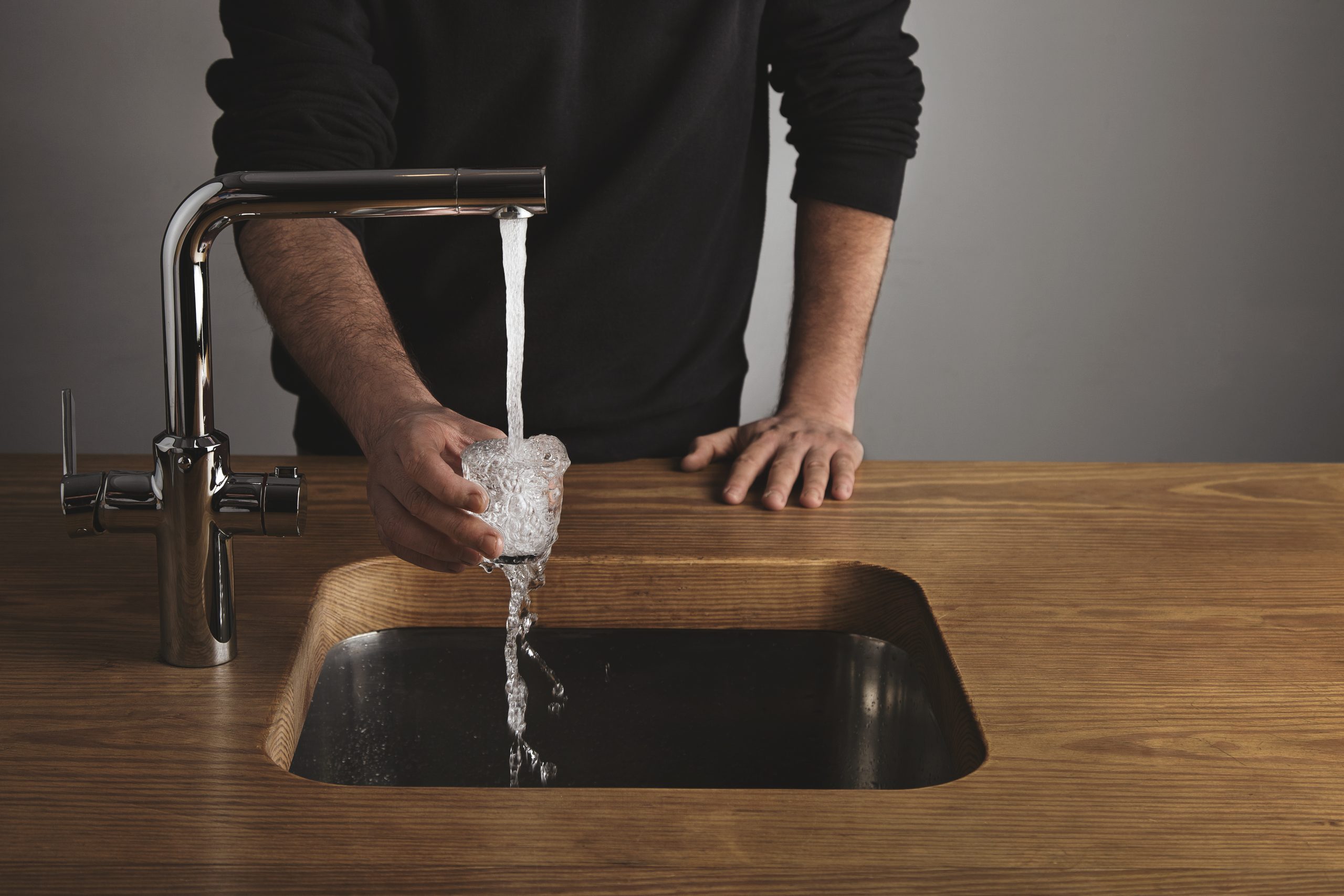


We all know how important water is to our health. From staying hydrated to supporting everything from digestion to skin health, we rely on it daily.
But even with clean tap water available in Singapore, some still don’t drink enough throughout the day. For certain individuals, the particular smell, taste, or sensory properties of tap water can be off-putting—making them less likely to drink it as often as they should.
Switching to filtered water can help make that experience more pleasant. It’s often preferred for its cleaner taste and more neutral profile, which can encourage better daily hydration.
But what exactly is filtered water—and how does it differ from other types of drinking water?
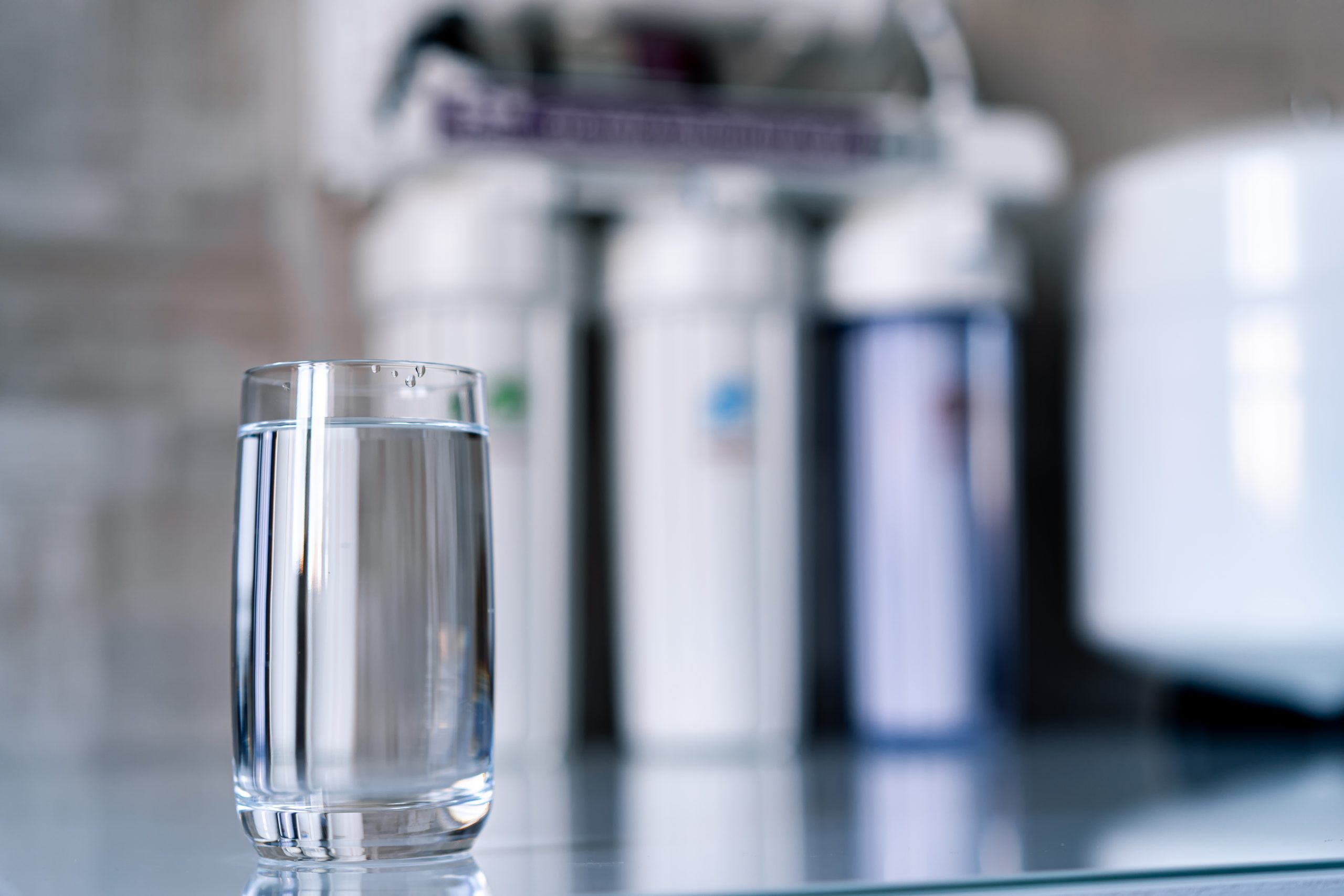
Filtered water in Singapore is typically sourced from tap or groundwater and is further treated through a filtration process. While this filtration mainly targets visible or solid particles such as rust, sand, and sediments, it can also help reduce substances like chlorine and other trace elements, resulting in improved taste and clarity.
Water can be filtered using different materials and technologies, each suited for removing specific types of impurities. Among them, activated carbon filtration stands out as a highly effective option that can remove a wide range of contaminants while significantly improving taste and odour.
If you’re considering a filtered water dispenser for your home, choosing one with an activated carbon filter is a practical way to enjoy a cleaner, crisper water taste daily.
For enhanced protection, some models, like Purehan’s water filter dispenser, also include Neo Nano filters, which offer additional filtration by targeting microscopic particles and bacteria—helping to improve overall drinking water quality and hydration experience.
Filtered water is generally safe to drink, but its safety depends on the filter quality and how well it’s maintained. In some cases, concerns may arise if non-certified or poorly designed filters are used, as they might not effectively remove contaminants—or worse, introduce bacteria buildup over time. To ensure safe consumption, always choose a certified filter from a reputable brand and follow the manufacturer’s usage guidelines.
Equally important is the regular replacement of filters. Over time, used filters can become saturated with impurities, reducing their effectiveness and potentially allowing bacteria or contaminants to accumulate. Neglecting water filter dispenser maintenance can compromise water quality, even if you’re using a high-end system.
However, in Singapore, there’s no need for additional filtering devices for safety purposes, as tap water in the country is already treated to meet the strict standards set by the Environmental Public Health (Water Suitable for Drinking) Regulations 2019 and aligned with World Health Organisation (WHO) Guidelines.
Still, using a water filter can offer added benefits. It can enhance the overall drinking experience by reducing the faint chlorine taste or slight metallic notes that some people detect in tap water. Filters can also help remove trace sediments or odours that some people may be sensitive to.
For those who are particular about how their water tastes or feels, filtration remains a worthwhile addition.
Here’s a quick comparison of filtered water vs distilled water, alkaline water, and purified water to help you decide what works best for you.
| Criteria | Filtered Water | Distilled Water | Alkaline Water |
|---|---|---|---|
| Source | Tap water or groundwater | Tap water, groundwater, or even rainwater | Springs or groundwater |
| Filtration Process | Passes through a physical filter (e.g., carbon, sediment) to remove particles, sediment, some chemicals, and microorganisms). | Boiled into steam, then condensed back into liquid, leaving most impurities behind. | Often filtered and then undergoes a process (like electrolysis) to increase pH. |
| Mineral Content | May reduce some minerals, though activated carbon filters typically retain beneficial ones. | Removes almost all minerals. | Contains higher levels of alkaline compounds and minerals; may have added minerals. |
| pH Level | Typically ranges from 6.5 to 7.5. | Slightly acidic, ranging from 5 to 7. | Higher pH level, usually 8 or above. |
| Cost | Generally affordable; varies by filter type and replacement frequency. | It can be priced higher due to the energy-intensive process. | Often comparable to or slightly more expensive than regular filtered or purified water. |
| Best Uses | Every day drinking, cooking, and improving the taste of tap water. | Safe for everyday drinking, but best for sterilising medical equipment or for specific scientific applications. | Drinking water for those with taste preferences or wellness-focused lifestyles. |
As we’ve explored, Singapore’s tap water is safe and well-treated—but that doesn’t mean it suits everyone’s preferences. For those sensitive to taste, odour, or texture, filtered water offers a more comfortable and consistent way to stay hydrated.
Buying a filtered water dispenser for your home can make purer, great-tasting water more accessible throughout the day. Consider Purehan’s hot and cold water dispensers, which feature advanced 9-stage filtration designed to help reduce chlorine, odours, and fine particles—ensuring a consistently pleasant drinking experience every time.
However, at the end of the day, no type of water is universally better—it all depends on your personal needs and preferences. What matters most is staying hydrated, making it a daily priority for your health and well-being.
Make clean, refreshing water part of your daily routine with Purehan.