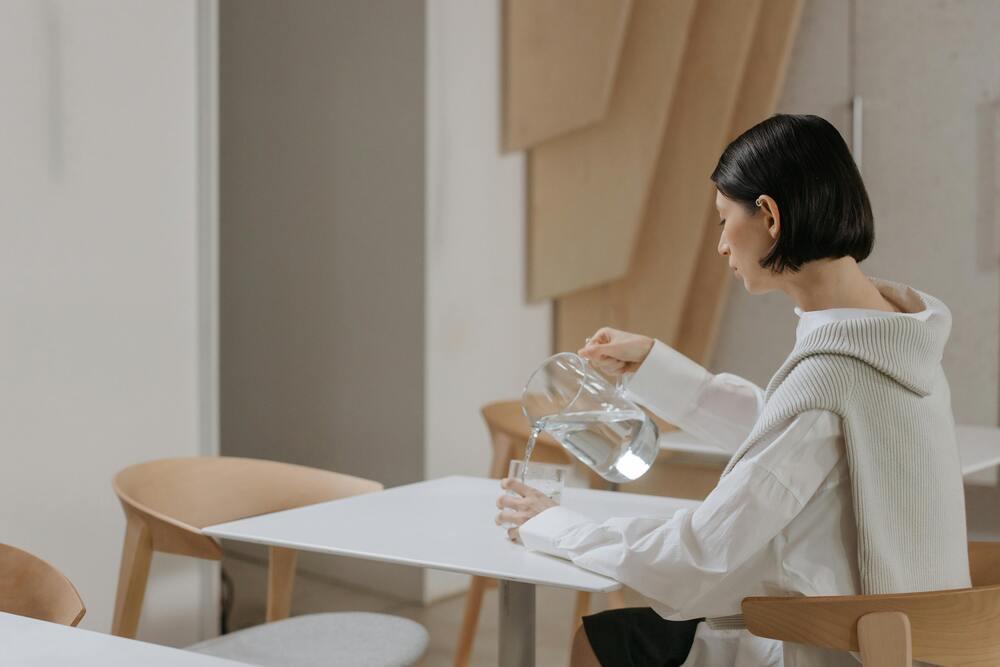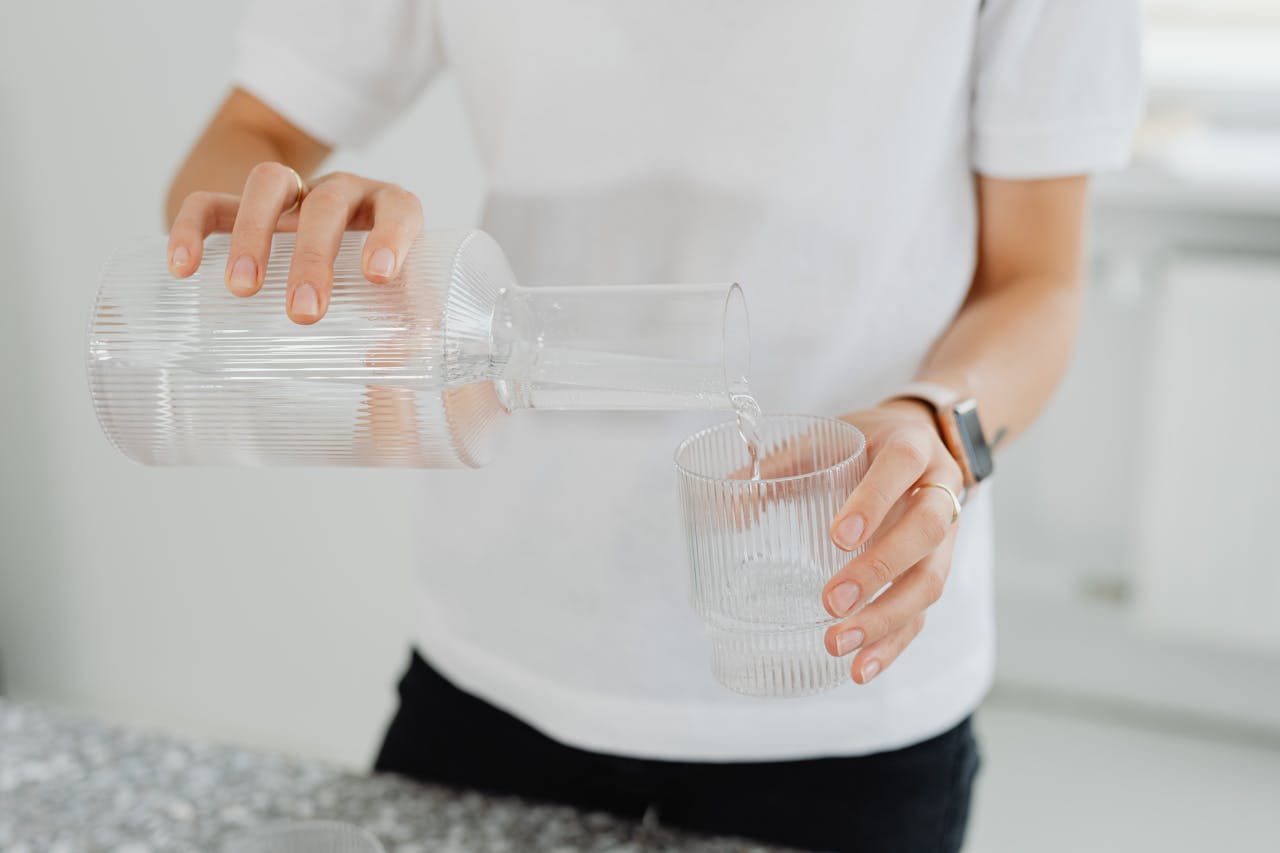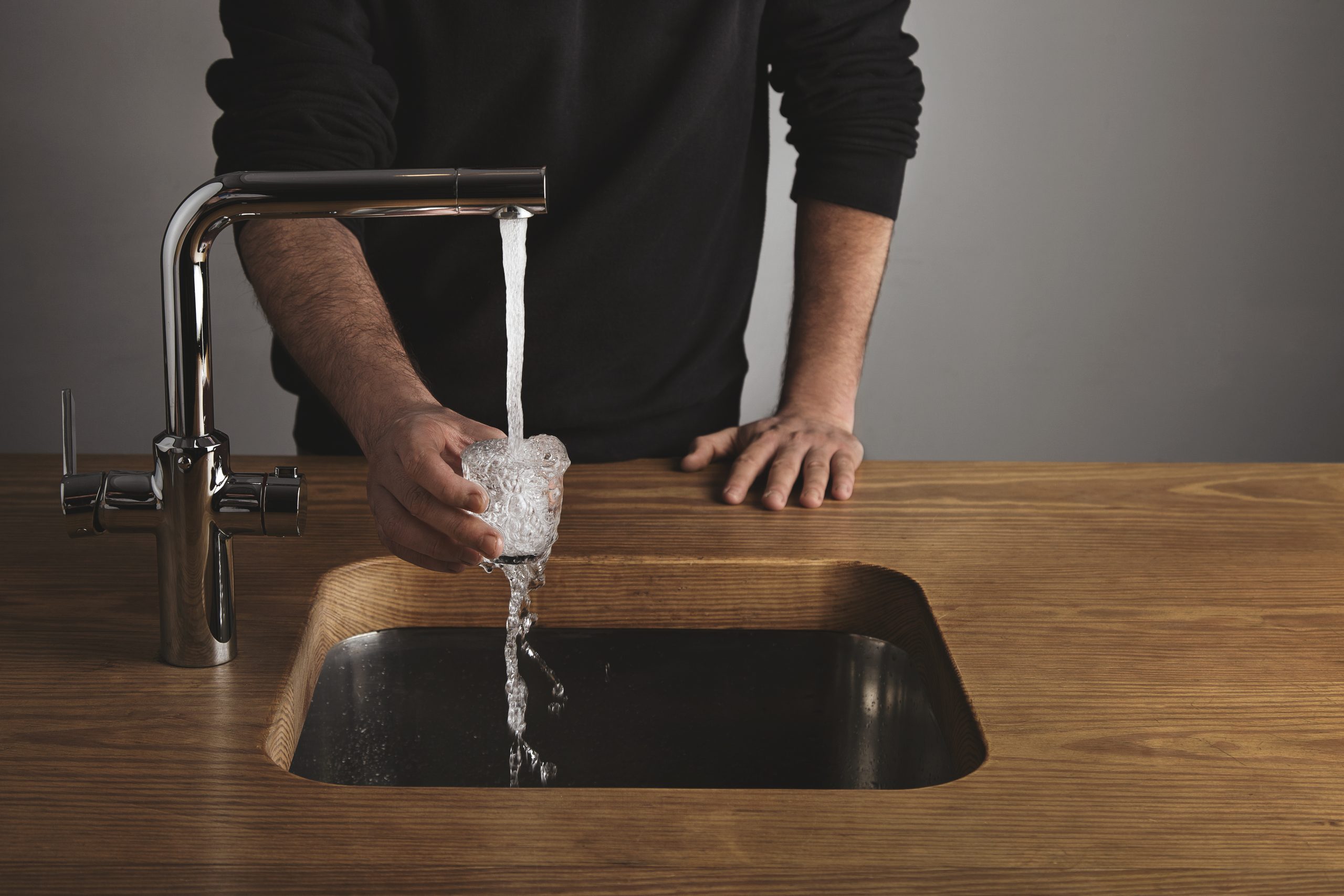


Drinking more water is often touted as a simple and natural way to lose weight. From health coaches to dietitians, many recommend staying hydrated as a key part of any weight loss journey. But is drinking more water really good for weight loss?
According to various studies and health researchers, water plays a supportive role in weight loss in several ways, including appetite control and improved exercise capacity. While it’s not the solution on its own, drinking more water could help with your weight loss efforts when paired with a balanced diet and regular exercise.
A few small, short-term studies suggest that drinking water before meals may help with weight control. For instance, one earlier study found that participants who drank a full glass of water prior to eating consumed less food compared to those who didn’t.
Another study observed that individuals on a low-calorie diet who added extra water before meals experienced reduced appetite and greater weight loss over a 12-week period than those who followed the same diet without the additional water.
While these findings are promising, it’s important to note that most studies have only explored the short-term impact of water consumption on weight. Long-term studies are needed to confirm whether consistent drinking more water before meals leads to sustained weight loss. Still, the evidence suggests that water can be a helpful, low-effort tool to control appetite and support your goals.
Drinking water has been linked to increased activity in the sympathetic nervous system, which is referred to as the part of your body responsible for functions like heart rate and metabolism. As a result, water consumption could potentially boost your metabolic rate and the number of calories your body burns, even at rest.
In an earlier study, participants were given different beverages, plain water, a saline solution, or a sugar-based sucrose drink, and their resting energy expenditure was measured. The results showed that room-temperature water had little effect on calorie burn. However, chilled water led to a modest 4.5% increase in calorie expenditure over the course of 60 minutes.
While these findings suggest that cold water may slightly enhance energy burn, it’s important to recognise that water alone is not a cure-all for weight loss or obesity.
The existing evidence remains limited and somewhat inconclusive. More comprehensive research is needed to fully understand how factors like water temperature, hydration levels, and different beverage types influence metabolism and long-term weight management.
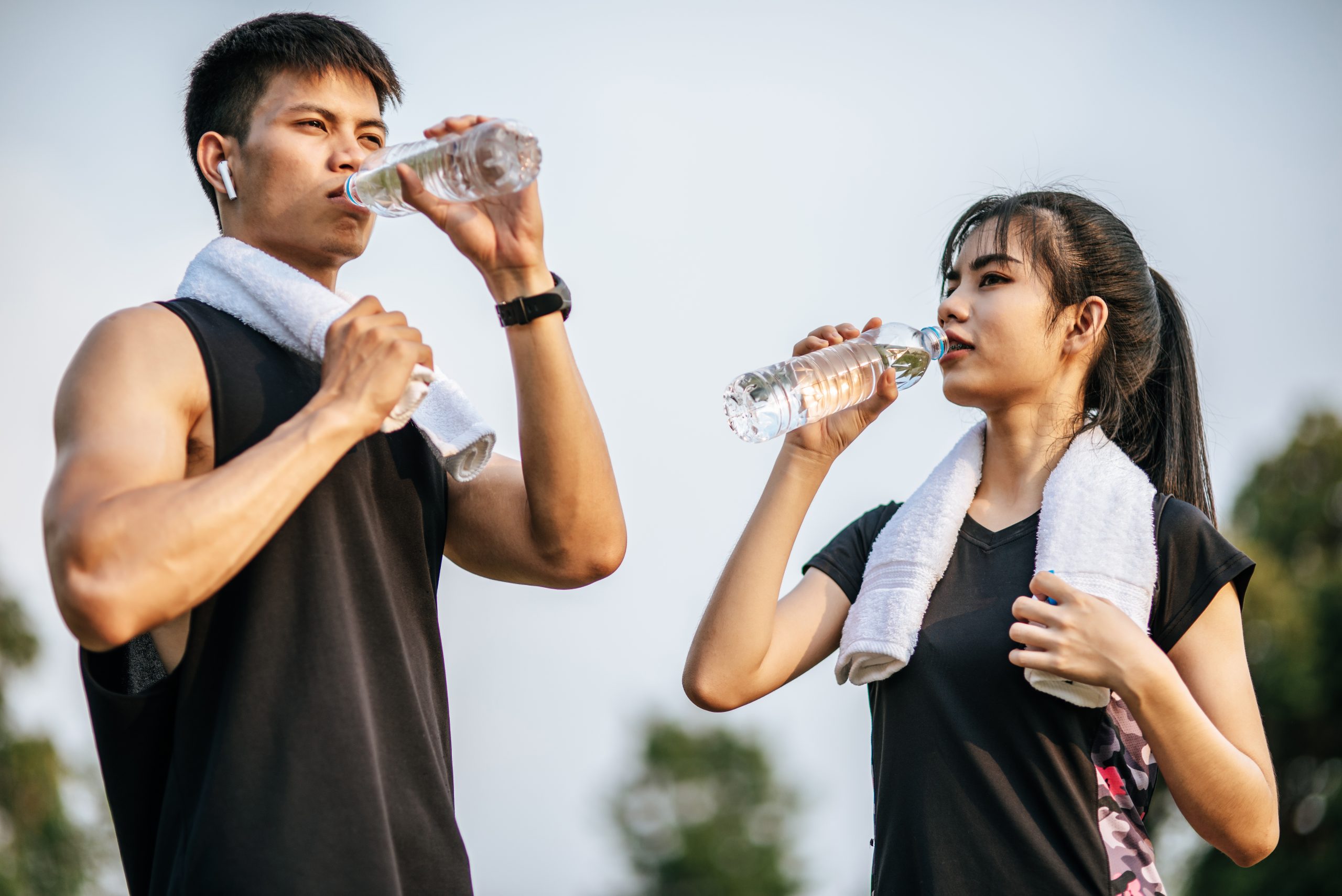
Proper hydration could contribute to optimal physical performance, especially during prolonged or intense workouts. Research has shown that fluid loss, particularly in hot and humid conditions, can impair the body’s ability to regulate temperature and maintain adequate blood flow. This can lead to fatigue, reduced endurance, muscle cramps, and even cardiovascular strain.
However, when participants engaged in pre-exercise hyperhydration, the practice of increasing water intake before workouts, they experienced improved performance during steady, sustained activities. This is likely because it helps lower heart rate and core body temperature by temporarily increasing the amount of fluid (plasma) in the blood.
These findings emphasise how water supports your body during exercise, helping you stay well-hydrated so you can get more out of your workouts and potentially achieve your weight loss goals.
For healthy individuals, general guidelines suggest that men need about 15.5 cups of fluids daily, while women require around 11.5 cups. But not all of this has to come from plain water; other fluids like coffee, tea, juice, and even water-rich foods such as fruits and vegetables also contribute to your total intake.
You may need to drink more plain water depending on several factors:
There’s no universal rule for how much water everyone should drink. Your optimal intake depends on your body size, activity level, environment, and overall health. It’s always best to consult your doctor to determine what’s right for you.
Drinking more water doesn’t have to be difficult. It is all about building small, sustainable habits into your daily routine. These are some practical ways to ensure you stay hydrated throughout the day, so you can support your well-being and potentially achieve your weight loss goals:
A simple way to remember to drink more water is by making it part of your mealtime ritual. Drinking a full glass of water before or during each meal not only helps you meet your daily hydration goals but may also aid in portion control by creating a sense of fullness, thereby reducing the chances of overeating.
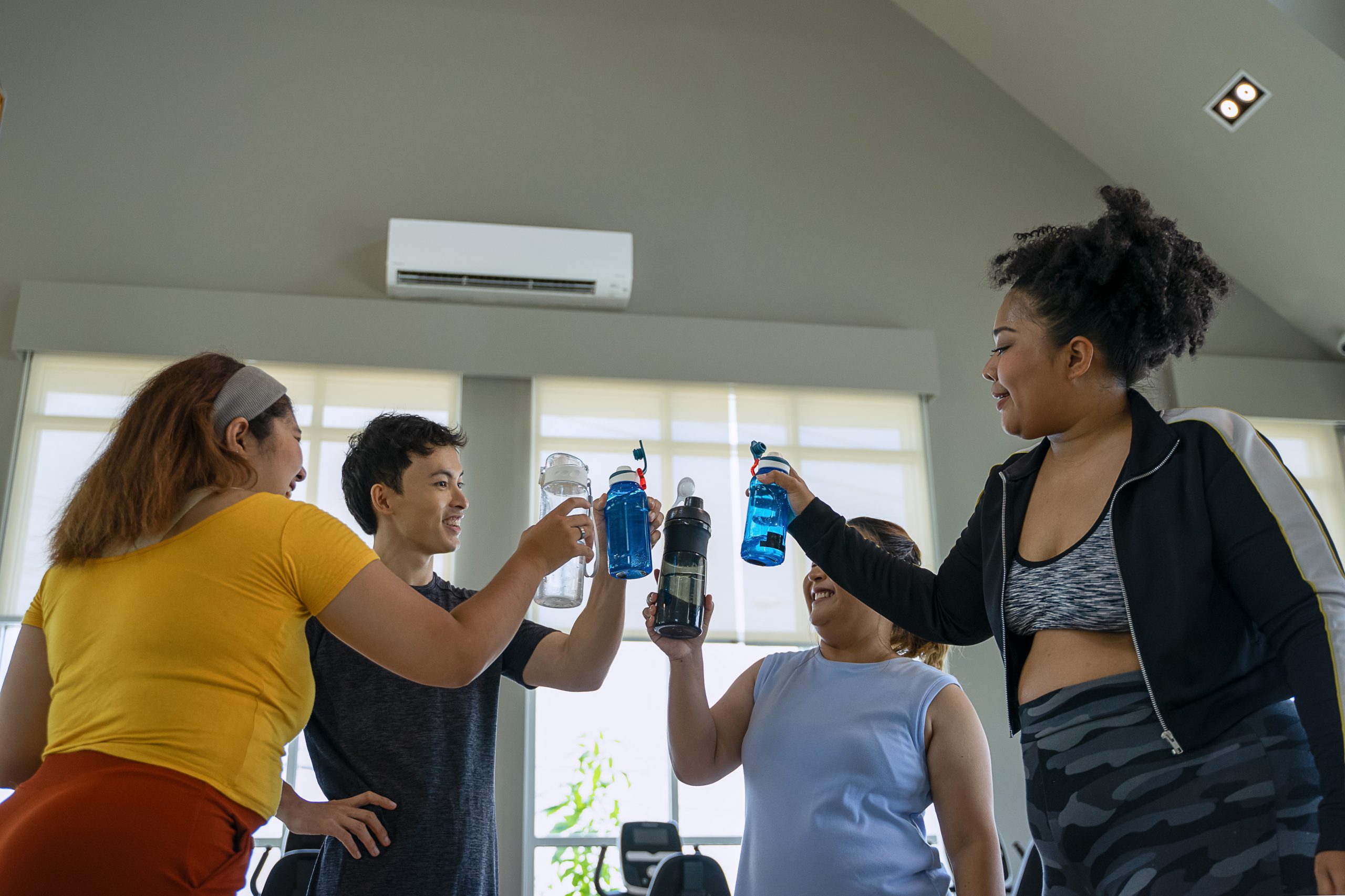
Having water easily accessible is key to drinking more of it. Carrying a reusable water bottle could help encourage you to sip regularly, especially when you’re on the go, at work, or travelling. Make sure to choose a bottle that suits your lifestyle, whether it’s insulated or foldable.
Your body loses fluids faster when you’re active or exposed to warm weather, so it’s essential to drink more water during these times to prevent dehydration. For workouts, aim to drink water before, during, and after exercise. On hot days, even when you’re not active, increased sweating may require more frequent hydration.
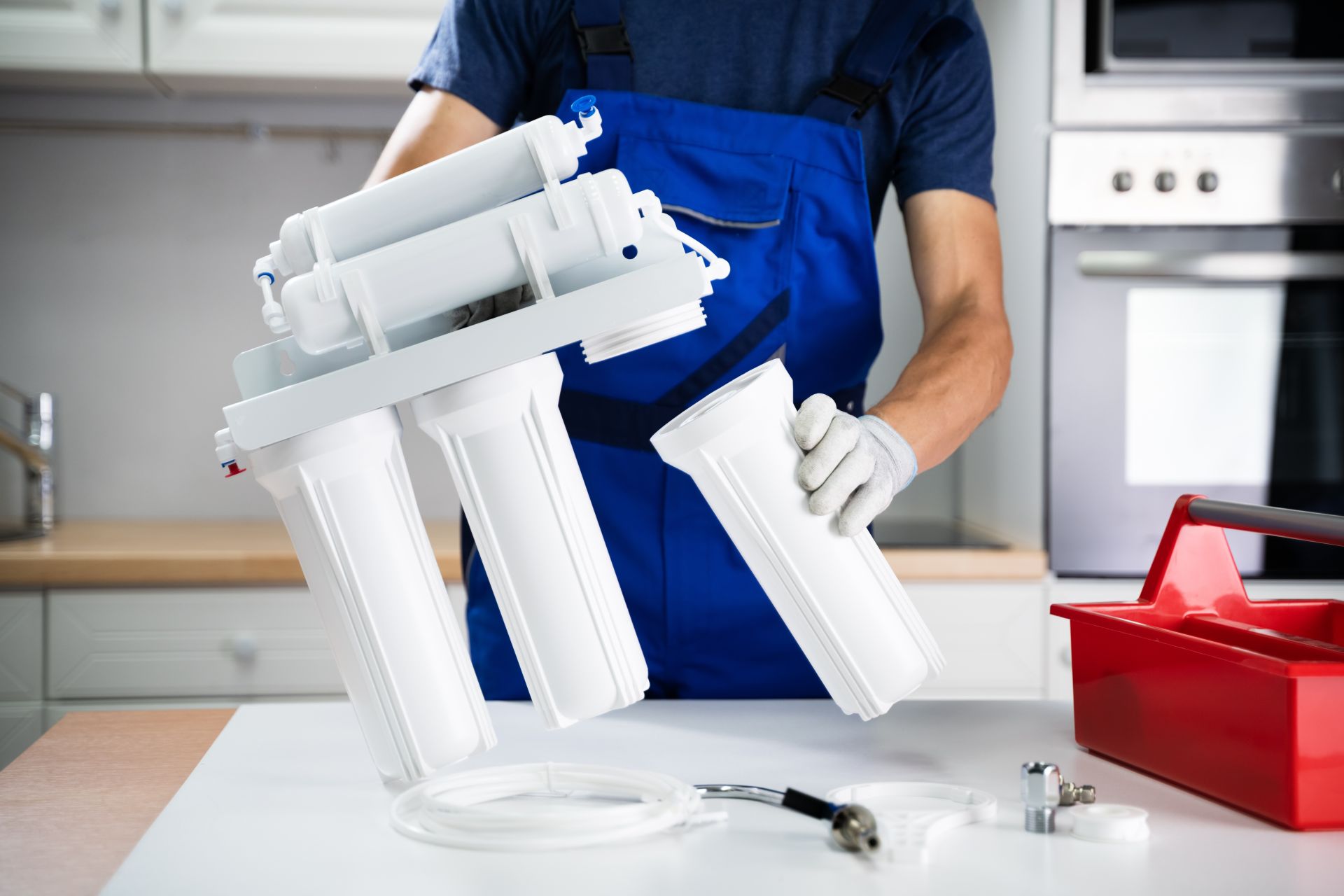
Enhancing your hydration habits often starts with making water more appealing to drink. For many people, the taste, temperature, and convenience of plain tap water can be barriers to drinking more throughout the day. As such, investing in a high-quality cooling water purifier could make a difference by providing refreshing water that’s more enjoyable to consume.
One great example is the Purehan Super Cooling: Water Dispenser & Alkaline Water Purifier, which turns everyday hydration into a customisable experience. Designed with modern users in mind, this water purifier offers 8 temperature settings and 5 output options, allowing you to enjoy cold, warm, or hot water depending on your needs.
Its adjustable faucet and sliding tray make it easy to fill everything from small cups to large jugs, adding convenience to your daily routine.
With features like these, a water purifier doesn’t just support your health; it could also enhance the experience of drinking water.
For more insights into how hydration can support your well-being, check out our guide on the power of hydration for the body and how to combat heat stress while staying hydrated.